
Displacement of Nature: A Conversation That Brought It All Home
Today I was interviewed by a student journalist about the displacement of nature, and I have to be honest, I was a little nervous beforehand. But within minutes, any nerves melted away, because sitting opposite me was a young person who was genuinely, passionately concerned about the natural world. It was one of those quietly hopeful moments that remind you that the next generation cares deeply about what we are in danger of losing.
The conversation got me thinking. Really thinking. About my Wild Hearts project, about the landscapes I have spent years documenting, and about something much closer to home, the quarry I look out over every single day from my window here in Newhey, Lancashire.
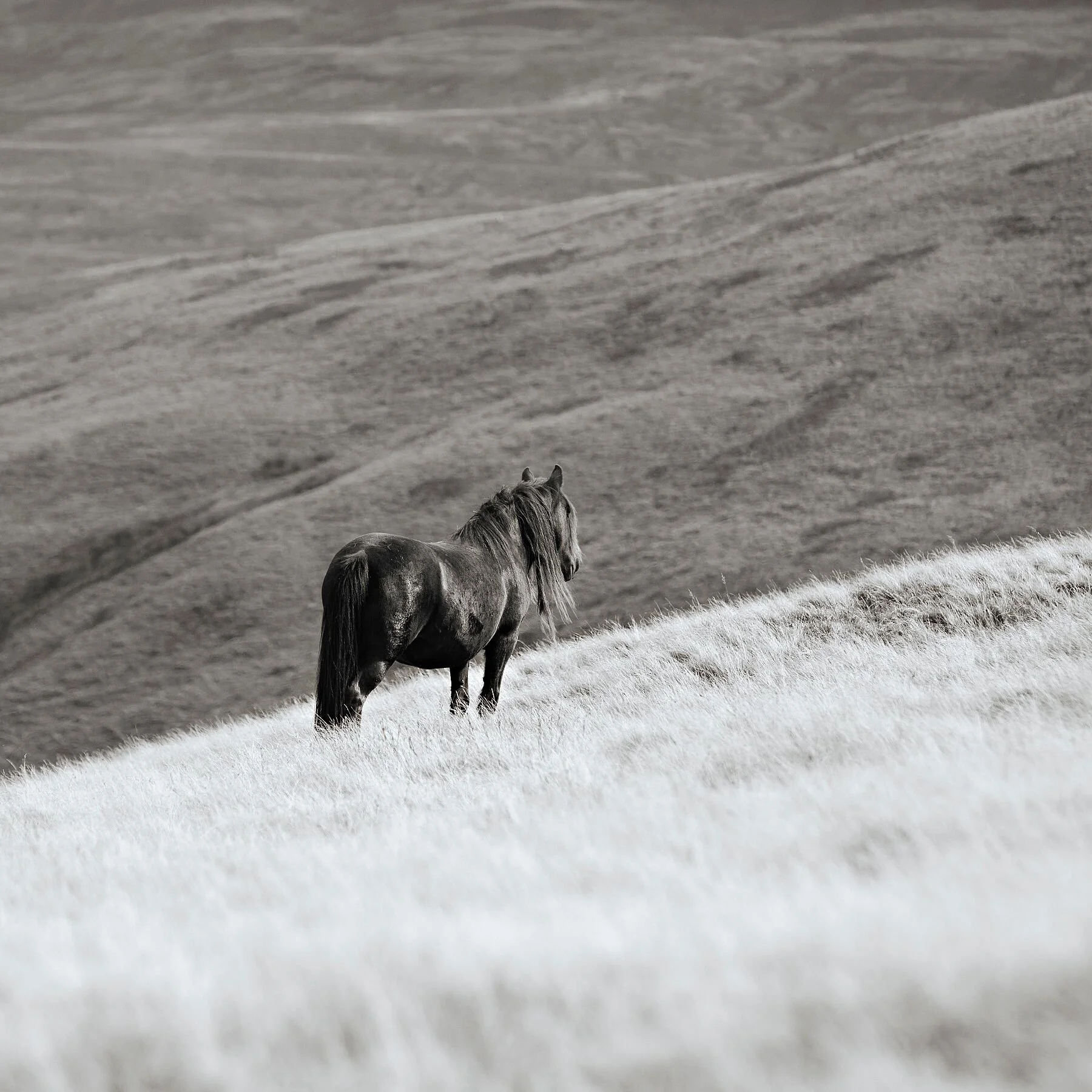
Wild Hearts: A Six Year Witness
For six years, I travelled across the UK seeking out our rare native equine breeds in their natural habitats. From the windswept moorlands of Cumbria to the remote sacred island of Holy Isle off the Scottish coast, I photographed these extraordinary animals — quietly, patiently, with enormous respect for the wild places they call home.
What began as a photographic project became something far more urgent. A love letter. A witness statement. A quiet plea to protect what remains before it slips away.
The result was Wild Hearts, published in 2025, a monograph documenting our rare native equine breeds across the length and breadth of Britain. Ten percent of every copy sold is donated directly to the Rare Breeds Survival Trust, whose vital work to protect these animals I care about deeply. Because these breeds are not just beautiful — they are part of the living heritage of these islands, and they are disappearing.
The Crisis Closer to Home : The Fell Pony
During today's interview, we talked about the Fell pony: one of Britain's most ancient and now most threatened native breeds. These extraordinary ponies have roamed the high fells of Cumbria since pre-Roman times, shaped by centuries of natural selection in one of Britain's harshest landscapes.
But in the last ten years, many of the semi-wild herds that live out all year on the Lake District's high fells have been lost. There are now fewer than 200 Fell pony mares living in their natural habitat. And the threat isn't just falling breeder numbers — it's the landscape itself changing around them. Fencing for tree planting schemes, changes to common land management, agricultural pressures — all quietly reducing the fell grazing that these ponies depend on not just for survival but for their very identity. Remove a Fell pony from the fell, and you don't just displace an animal — you begin to lose the breed itself.
And Then There's My Quarry
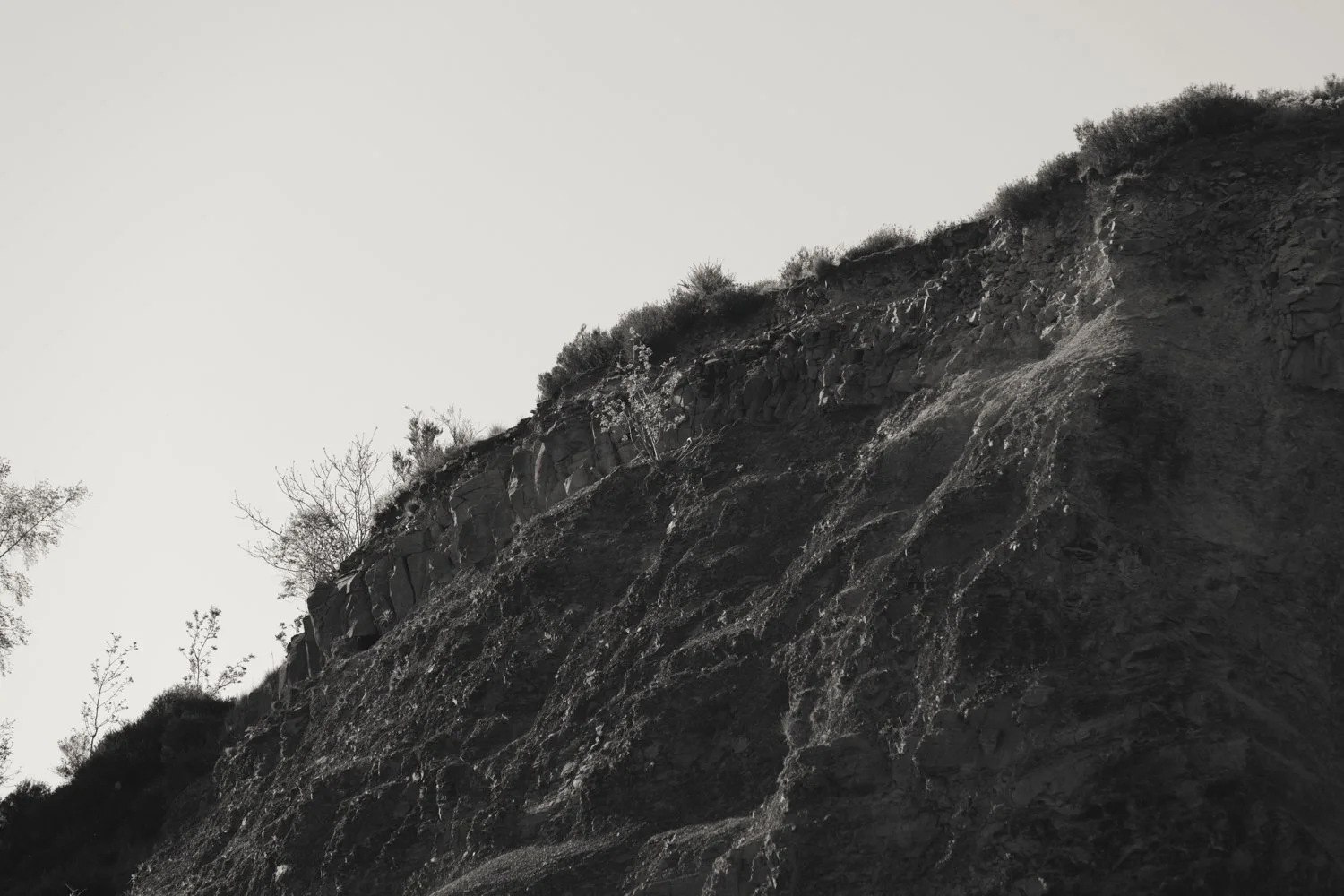
Newhey Quarry
But it was when the conversation turned closer to home that something shifted in me.
Outside my studio window here in Newhey is a quarry. It's classified as brownfield land, previously developed, in planning terms, the acceptable face of development. But this quarry has been left alone for well over forty years. And in that time, nature moved in.
Peregrine falcons and kestrels nest there. Badgers, deer, bats, toads, and newts have made it their home. Wildflowers, grasses, insects, a whole quiet ecosystem have established themselves without any human intervention whatsoever. At least forty years of natural rewilding, happening on our doorstep, largely unnoticed.
And now a developer wants to build on it.
Because it's brownfield land, the planning system offers far less protection than it would to a greenfield site. The label, brownfield, previously developed, implies the land has no value. But that label was created before anyone imagined that an abandoned quarry might, given forty years of peace, become one of the most biodiverse spots in the neighbourhood.
The law hasn't caught up with reality. And overnight, something that took three decades to grow could be gone.
Why This All Matters
The displacement of nature is rarely dramatic. It doesn't always announce itself. Sometimes it's a semi-wild herd quietly reduced year by year as breeders age and land use changes. Sometimes it's a quarry that nobody paid much attention to until the planning notice went up.
That is why I make the work I make. Not to be alarmist. Not to be political. But because I genuinely believe that art has the power to make people stop, look, and feel something. And feeling something is always the first step toward caring enough to act.
If you'd like to own a copy of Wild Hearts and in doing so support the Rare Breeds Survival Trust, you can find it here: https://www.esthertowler.com/shop-/wild-hearts-book
And if you'd like to follow the ongoing conversation about wildness, rare breeds, and the places worth protecting, I'd love you to join my Collectors Circle: https://www.esthertowler.com/join
Every piece I create is an invitation to witness wildness — to celebrate freedom, and to honour what matters most before it slips away.
