
A difficult autumn on the Forest
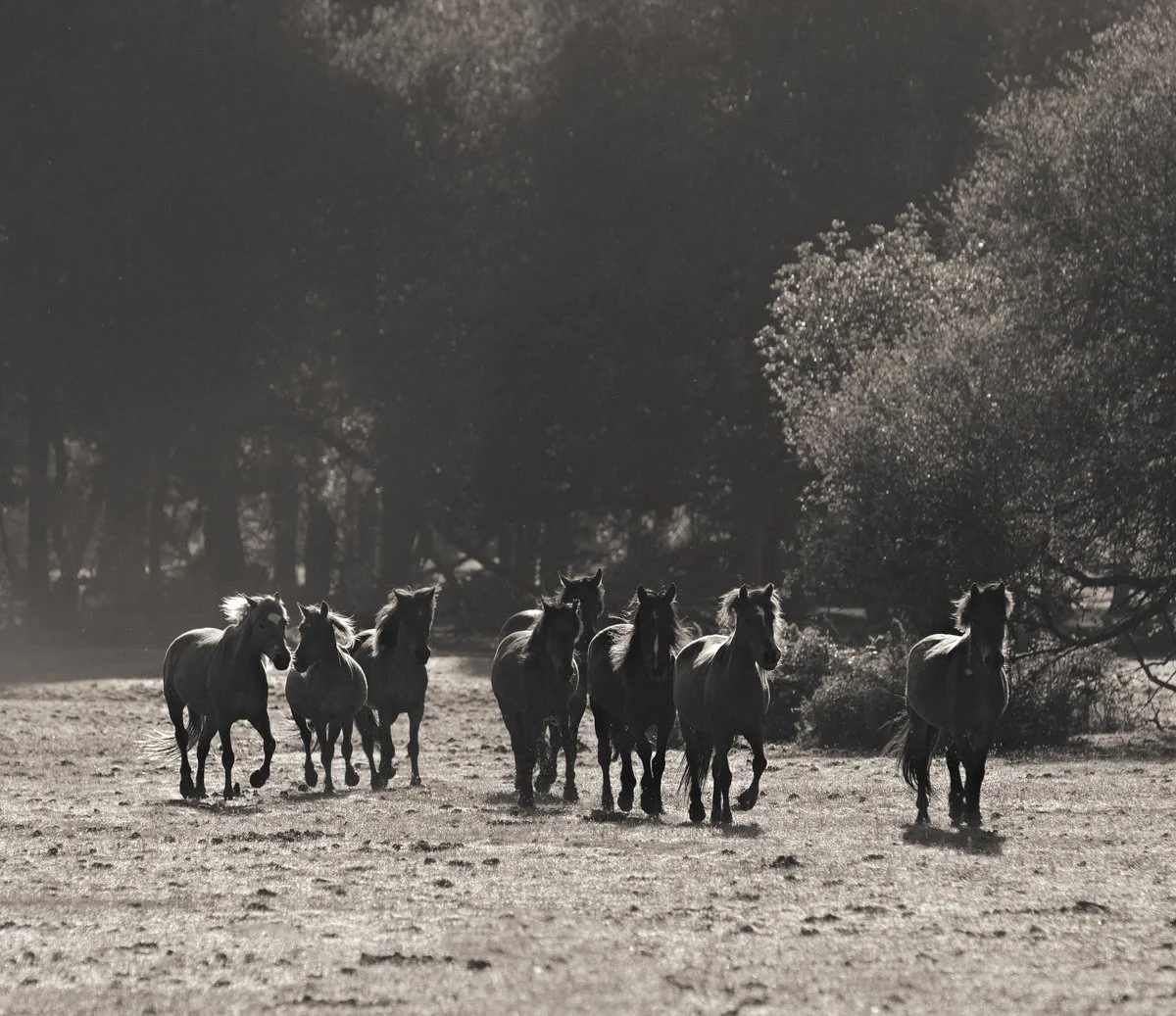
Free Living New Forest Ponies
On the New Forest, a whole year of care rests on a handful of days in late summer and autumn. This year those days were taken away, then given back, and the commoners who keep the ponies have had to carry the uncertainty in between.
In one season the Forest has seen equine flu move through its herd, the summer drifts called off, most of the autumn pony sales cancelled, and now a case of bluetongue reported near Brockenhurst. None of these on its own is a catastrophe. Together they show how finely balanced a free-living herd is, and how much depends on the people who look after it.
What a drift is
The New Forest ponies are not wild in the way we sometimes imagine. Every one of them belongs to a commoner, someone who holds the ancient right to turn animals out onto the open Forest. The ponies live free across heath, lawn and woodland edge, but they are watched over.
The drifts are how that watching becomes hands-on care. Agisters, the Verderers' officers, ride out with commoners on horseback and gather the ponies from each part of the Forest into pens. There the ponies are checked over, foals are recorded, marking fees are settled and tails are cut to show it, and decisions are made about which animals stay out for the winter and which come in or go to sale.
It is practical, unglamorous work, and it is the reason the Forest's ponies can live as freely as they do. Without the drifts, problems go unseen and herds grow beyond what the land and the market can carry.
A summer without them
This year equine flu reached the Forest herd. The drifts that usually begin in August were postponed while the Verderers waited on veterinary advice, and for weeks the round-ups that structure the commoning year simply did not happen.
In mid-September came the news everyone had been waiting for. In their own words, the Verderers said: "The evidence indicates that equine flu has now passed through the Forest herd." No ponies had shown symptoms for several weeks, and the drifts are due to resume on 2 October, following the usual schedule. They were careful to add that cases were still appearing on some private holdings, and that they would keep listening to the vets.
It is a quiet sentence, but I imagine it was read with real relief in farmhouses and yards across the Forest.
Fewer sales, a longer winter
The drifts are only half of the autumn. The other half is Beaulieu Road, where New Forest ponies have been sold for generations. This year the New Forest Livestock Society cancelled the October and November sales, along with the online sale planned for the end of November. Only the sale on 3 December is going ahead. No reason was given in the announcement.
For a commoner, a sale is not just income. It is how a herd is kept to a size the Forest and the family can manage. Ponies that would have found new homes this autumn will now need feeding, checking and, for some, bringing in through the winter. Every extra month carries a cost in hay, time and worry, and those costs fall on people who already keep these animals for love more than money.
Bluetongue: what it is, and what it is not
Then, at the end of September, the Verderers reported "a case of Bluetongue in the Forest Herd local to Brockenhurst." The words are worth reading carefully.
The notice does not say which animal was affected. On the Forest, the herd includes cattle as well as ponies. Bluetongue is a disease of cattle, sheep, goats and deer, spread by biting midges. Horses and ponies are not affected by it. It does not pass from one animal to another by direct contact, and it poses no risk to people.
So this is not a pony disease. But it is one more thing for commoners to watch, one more call to the vet, one more reason to keep a close eye on animals that roam freely over open ground. The Verderers have asked commoners in the area to be extra vigilant and recommend vaccination.
An echo from Dartmoor
All of this lands at the end of a summer when another free-living herd was in the news for different reasons. In July, after more than 220,000 people voiced their concern, the Government announced that Dartmoor's ponies would be taken out of the stocking-rate calculations in new environmental agreements, and promised a pony supplement so that keeping ponies on the moor no longer works against farmers.
The Dartmoor debate was about policy, and the New Forest's troubles this year have been about illness and markets. Yet they ask the same question. Free-living herds survive only while it remains possible, practically and financially, for people to keep them. When the rules, the costs or the calendar turn against those people, the ponies are the ones who disappear from the hills.
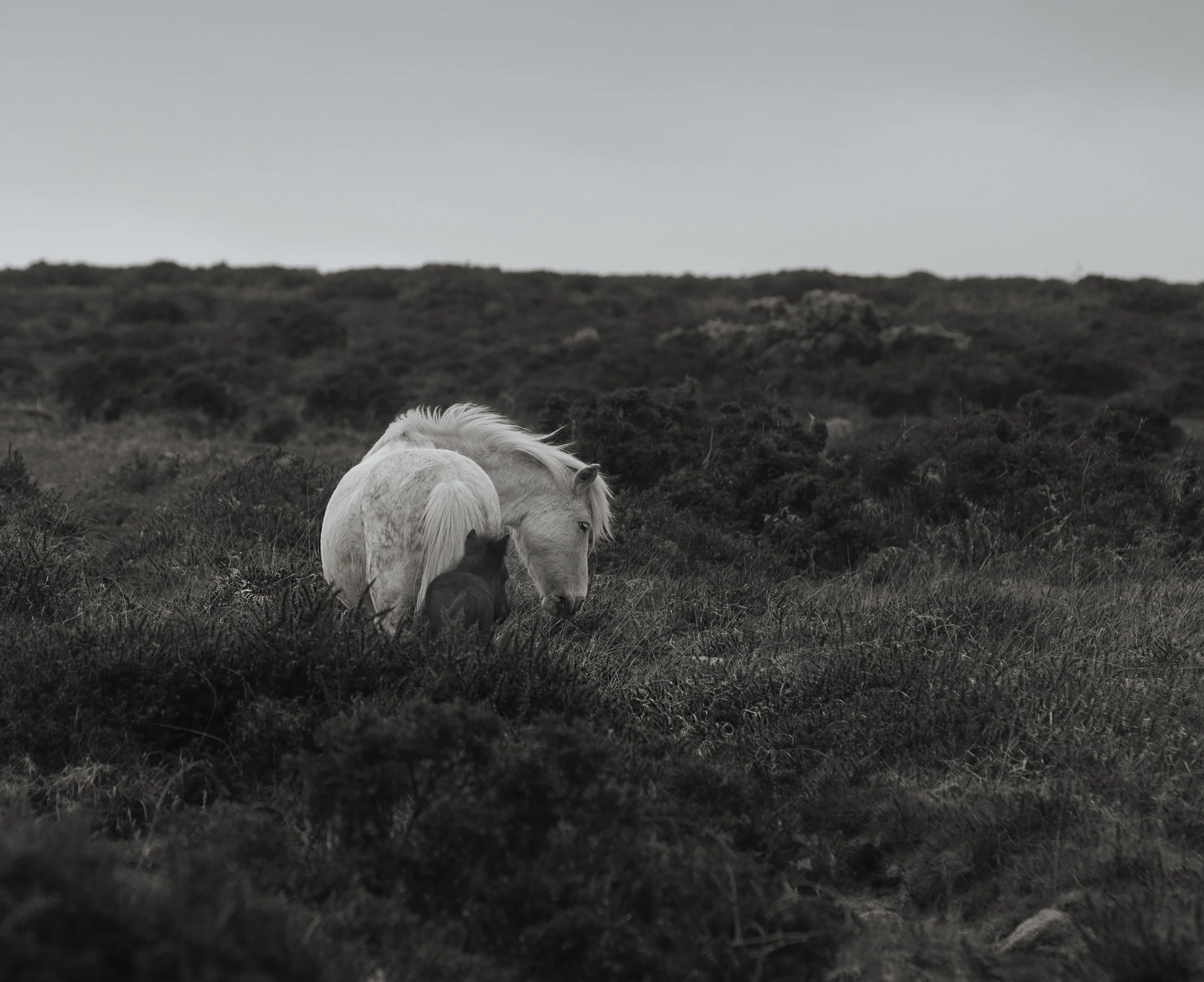
Free Living Dartmoor Ponies
What I take from it
I often photograph these ponies as if they belong only to the land. This autumn reminds me that they also belong to people: to the agisters on horseback, the families who settle the fees and carry the hay, the commoners who decide each year whether to keep going.
The drifts are back. The flu has passed. That is worth marking. But a herd's resilience is not only in the ponies themselves. It is in the small, steady human work that keeps them on the Forest, and that work has had a hard year.
